

What is 87 Octane Gas? Regular Gasoline Explained
87 octane is the most widely used gasoline grade in the United States. Known as 'regular' at the pump, it powers the majority of cars, trucks, and fleet vehicles on the road today. Here is a complete guide to 87 octane gasoline.
What Does Octane Rating Mean?
The octane rating of gasoline measures its resistance to pre-ignition, commonly called 'knocking' or 'pinging.' When fuel ignites prematurely in the combustion chamber — before the spark plug fires — it creates a knocking sound and can damage engine components over time. Higher octane fuels resist this pre-ignition better than lower octane fuels.
In the United States, the octane number displayed on gas pumps is the Anti-Knock Index (AKI), which is the average of the Research Octane Number (RON) and the Motor Octane Number (MON). This is expressed as (R+M)/2 and is the standard by which all U.S. gasoline is rated. When you see '87' on a pump, that is the AKI value.
It is important to understand that higher octane does not mean more power or better performance in engines designed for regular fuel. Octane is purely a measure of knock resistance. An engine designed and tuned for 87 octane will produce the same power and efficiency on 87 as it would on 91 — you would simply be paying more for no benefit.
87 Octane as 'Regular' Grade
87 octane is designated as 'regular' grade gasoline throughout the United States. It is the lowest octane grade sold at retail stations and the most affordable option. In Florida, as in most U.S. states, the three standard gasoline grades are Regular 87, Mid-Grade 89, and Premium 91.
Regular 87 octane gasoline meets ASTM D4814 specifications and contains up to 10% ethanol (E10) in virtually all Florida markets. The ethanol content is mandated by federal Renewable Fuel Standard requirements. The base gasoline before ethanol blending typically has an octane of 84, with the ethanol raising the overall rating to 87.
The price advantage of 87 octane over higher grades is consistent and significant over time. Nationally, 87 octane typically costs $0.20-$0.30 less per gallon than 89, and $0.40-$0.60 less than 91 premium. For a fleet consuming 10,000 gallons per month, using 87 instead of 91 saves $4,000-$6,000 monthly — if the vehicles do not require premium.
Who Should Use 87 Octane?
The vast majority of gasoline-powered vehicles in the United States are designed to run on 87 octane regular. If your owner's manual states 'Regular Unleaded' or '87 octane minimum,' then 87 is the correct fuel for your vehicle. Using higher octane provides zero benefit in these engines — the engine's computer is already optimized for 87.
Most fleet vehicles are engineered for 87 octane. This includes delivery vans, service trucks, sedans, SUVs, and light-duty pickups from manufacturers like Ford, Chevrolet, Toyota, Honda, Nissan, and RAM. Fleet managers should verify each vehicle model's fuel requirement but will find that the majority of their fleet runs optimally on regular 87.
Vehicles that should NOT use 87 octane include those with turbocharged or supercharged engines that specify premium fuel, high-compression performance engines, and luxury vehicles where the manufacturer requires 91 octane. Using 87 in an engine that requires 91 can cause knocking, reduced power, lower fuel economy, and potential engine damage. Always check the fuel door label or owner's manual.
87 Octane for Fleet Vehicles
For commercial fleet operations, 87 octane regular gasoline is the default fueling standard. The cost savings compared to mid-grade or premium add up dramatically at fleet scale. A 50-vehicle fleet averaging 15,000 miles per year at 20 mpg consumes approximately 37,500 gallons annually. At a $0.50 per gallon savings over premium, that is $18,750 per year in fuel cost reduction.
BettyJet recommends that fleet managers audit their vehicle specifications annually. It is common for fleets to use premium fuel in vehicles that only require regular — often because a single 'premium only' vehicle in the fleet leads to a blanket premium fuel policy. By matching fuel grade to each vehicle's actual requirement, fleets can eliminate thousands of dollars in unnecessary spending.
87 vs 89 vs 91 Octane Gasoline
| Property | #87 Regular | #89 Mid-Grade | #91 Premium |
|---|---|---|---|
| Octane Rating (AKI) | 87 | 89 | 91 |
| Typical Price Difference | Baseline | +$0.20-$0.30/gal | +$0.40-$0.60/gal |
| Who Should Use It | Most cars, trucks, SUVs | Vehicles specifying mid-grade | Turbo/supercharged engines |
| Energy Content | ~114,000 BTU/gal | ~114,000 BTU/gal | ~114,000 BTU/gal |
| Knock Resistance | Standard | Moderate | High |
| Fleet Use | Most common | Uncommon | Select vehicles only |
Who Uses #87 Regular?
Commercial Fleets
Delivery vans, service trucks, company cars, and light-duty pickups — the backbone of most commercial fleets runs on 87 octane regular gasoline.
Construction & Job Sites
Gas-powered generators, compactors, concrete saws, and light equipment at construction sites use 87 octane gasoline.
Learn more →Government & Municipal Vehicles
Police cruisers, fire department support vehicles, municipal utility trucks, and government fleet sedans typically specify 87 octane.
Learn more →Agriculture
Gas-powered ATVs, UTVs, farm trucks, and portable equipment used in Florida agricultural operations run on regular 87.
Learn more →How BettyJet Delivers Bulk 87 Octane
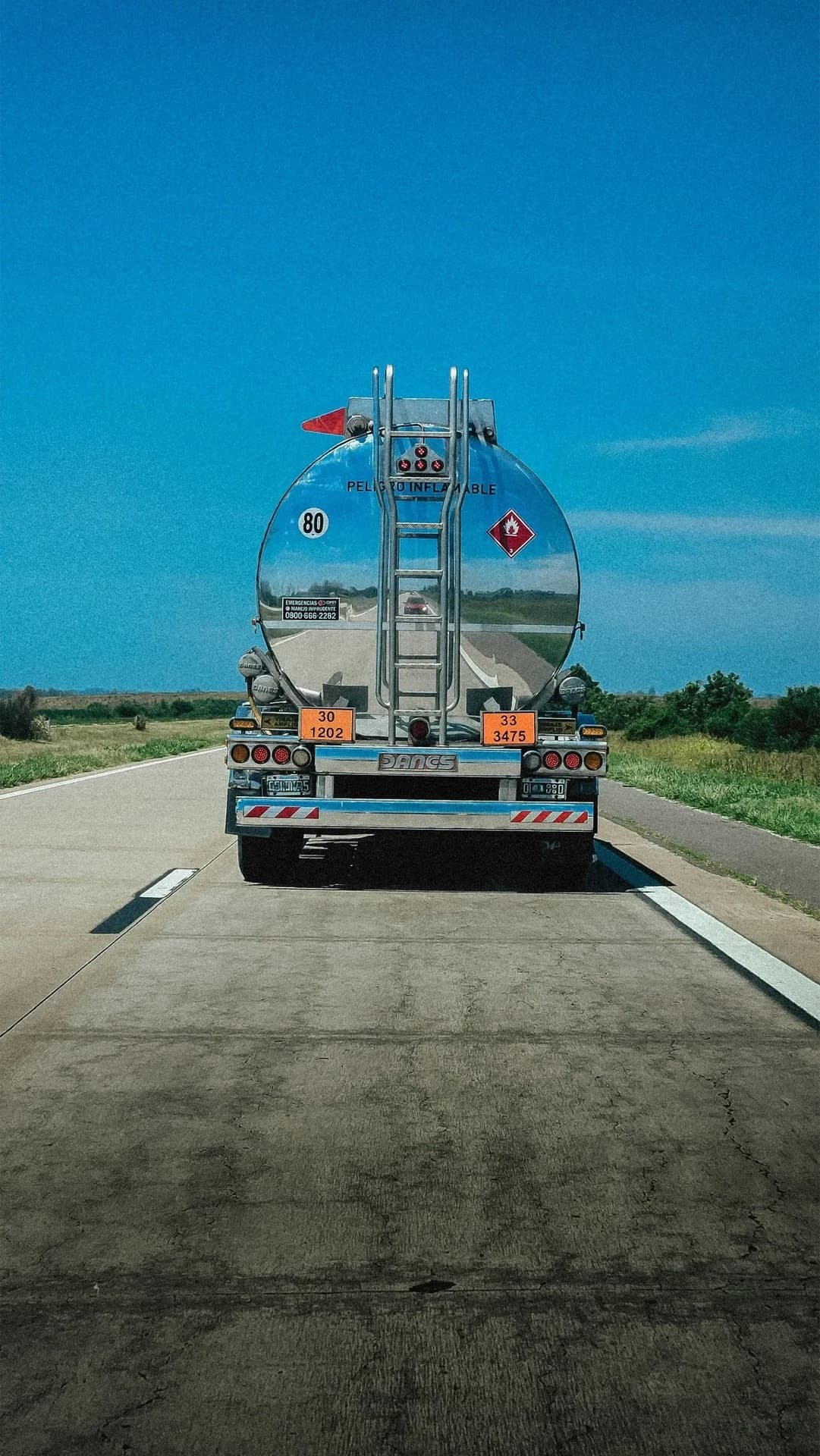
BettyJet delivers 87 octane regular gasoline in bulk to fleet yards, job sites, commercial facilities, and events across all 67 Florida counties. Our tanker trucks carry dedicated gasoline compartments with vapor recovery systems as required by Florida DEP regulations.
Bulk 87 octane delivery eliminates the need for fleet drivers to stop at retail stations, saving an average of 15-20 minutes per vehicle per fueling event. For a 50-vehicle fleet fueling twice per week, that is over 100 hours of productive time recovered monthly.
Minimum order for bulk gasoline delivery is typically 500 gallons. BettyJet offers both scheduled recurring deliveries and on-demand ordering. Most deliveries in the Tampa Bay area are completed within 24-48 hours. Call (813) 694-8898 or request a quote at bettyjet.com/get-a-quote.
#87 Regular Frequently Asked Questions
What is 87 octane gasoline?
87 octane is regular grade gasoline — the most common and least expensive gasoline sold in the United States. The '87' refers to the Anti-Knock Index (AKI), which measures the fuel's resistance to pre-ignition. It is suitable for the majority of gasoline-powered vehicles.
Is 87 octane the same as regular gas?
Yes. In the United States, 87 octane is the standard 'regular' grade gasoline. When a gas station pump says 'Regular,' it is dispensing 87 octane fuel. Nearly all gasoline sold in Florida at the regular grade contains up to 10% ethanol (E10).
Will my car run fine on 87 octane?
If your vehicle's owner's manual specifies 87 octane or 'Regular Unleaded,' then yes — 87 is the optimal fuel for your engine. Using premium (91) in a vehicle designed for regular provides no performance or efficiency benefit. Check your fuel door label or manual to confirm.
Does BettyJet deliver bulk regular gasoline?
Yes. BettyJet delivers 87 octane regular gasoline in bulk across Florida. We serve fleets, job sites, events, and commercial facilities with minimum orders of 500 gallons. Call (813) 694-8898 for a quote.
How much does bulk 87 octane cost?
Bulk fuel pricing varies daily based on wholesale market conditions, delivery location, and volume. BettyJet provides competitive rack-plus pricing with transparent fuel surcharges. Request a quote at bettyjet.com/get-a-quote or call (813) 694-8898 for current pricing.
Related Fuel Guides
Need #87 Regular Delivered in Florida?
Get a competitive quote for #87 Regular delivery anywhere in Florida. Most quotes returned within 30 minutes.